
Beyond Paris: What I learned exploring the Loire Valley, Paris, and Normandy


France is one of those countries you could visit a dozen times and still find something new to appreciate. After spending more than two weeks exploring the Loire Valley, Paris, and Normandy, I came home with a much better understanding of what makes each region special and how to combine them into one memorable trip.
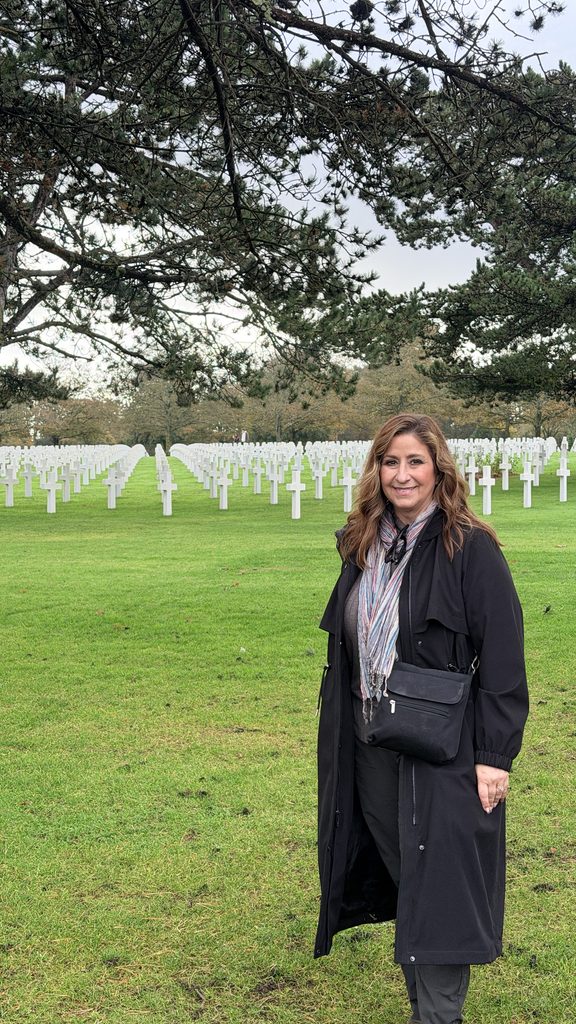
I began in the Loire Valley, spent a week in Paris attending the DUCO France Travel Summit, and finished in Normandy, where I visited the American Cemetery and D-Day beaches on Veterans Day.
Three regions, each with its own personality, and plenty of experiences I’d recommend to anyone planning a trip to France.
The Loire Valley: French history, magnificent châteaux, and excellent wine
If you love French history, wine, beautiful castles, and great food, the Loire Valley belongs on your travel list.
Located roughly two hours from Paris, depending on your destination, this region is known for its Renaissance châteaux, vineyards, and picturesque towns along the Loire River.
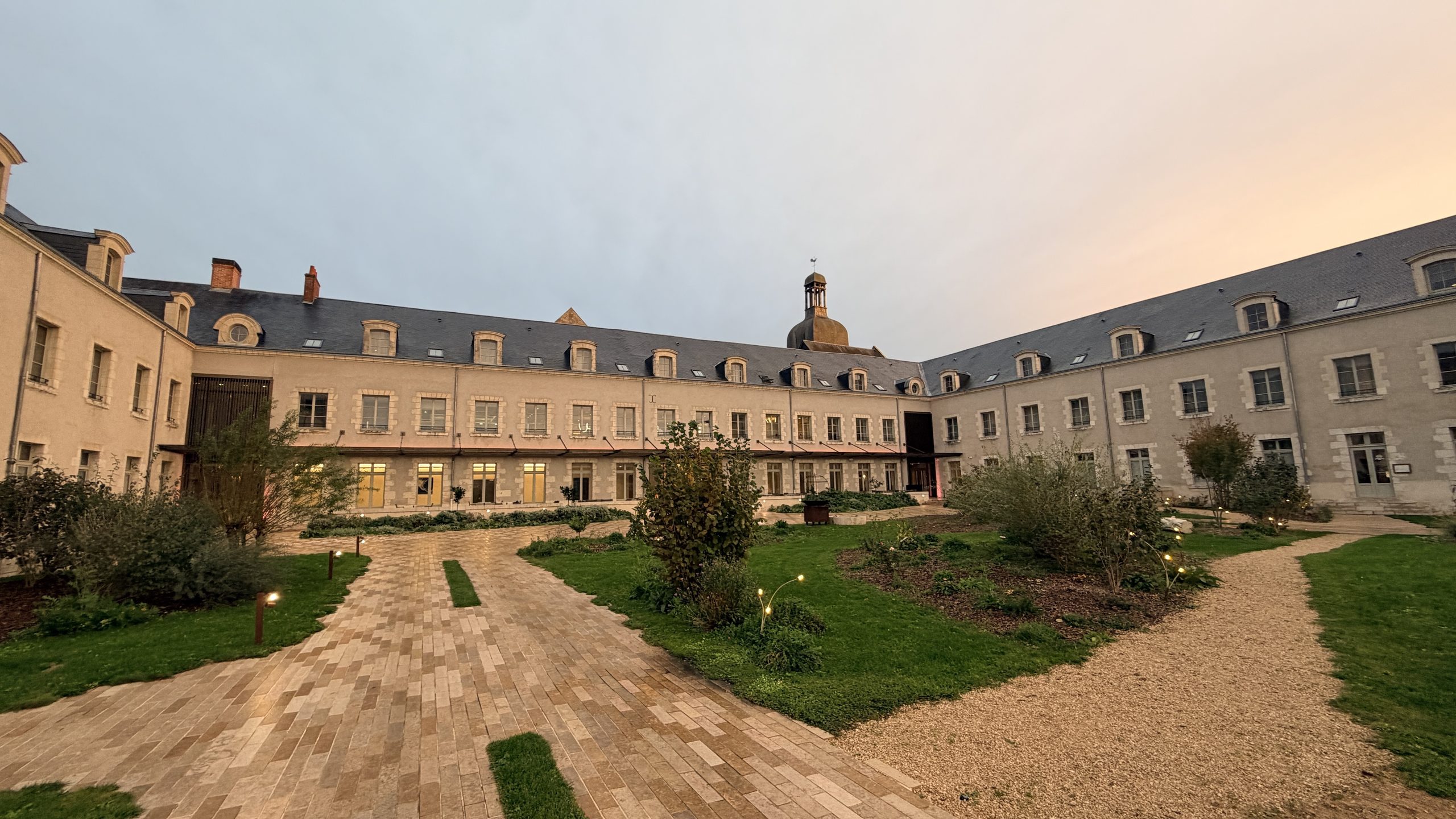
Our journey began in Blois, where we stayed at Fleur de Loire, a beautiful Relais & Châteaux property associated with chef Christophe Hay. The hotel combines historic architecture with contemporary hospitality and a strong culinary focus.
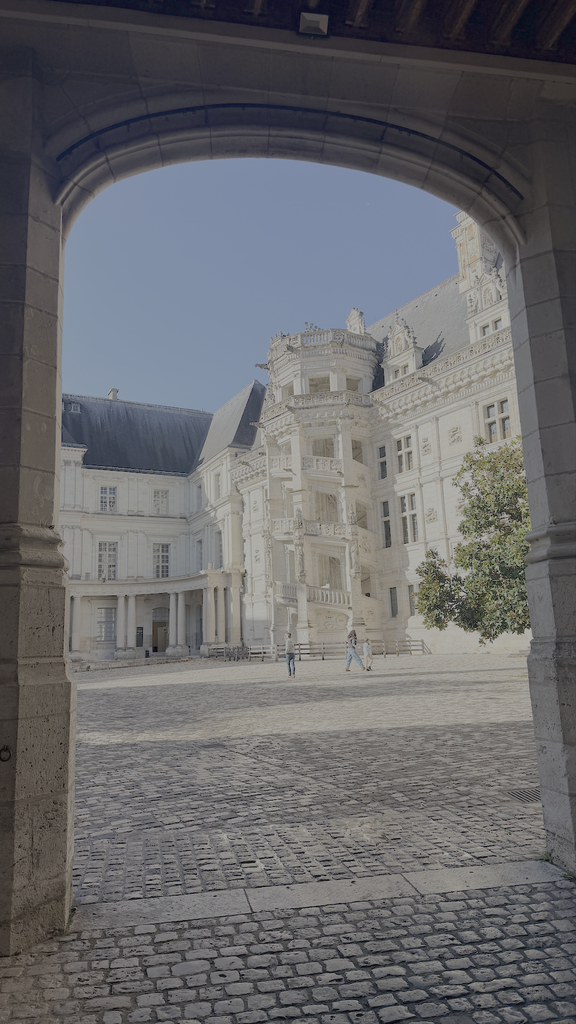
We visited the Château Royal de Blois, where centuries of French royal history are reflected in its different architectural styles. I particularly enjoyed seeing how successive kings and queens influenced the château’s design.
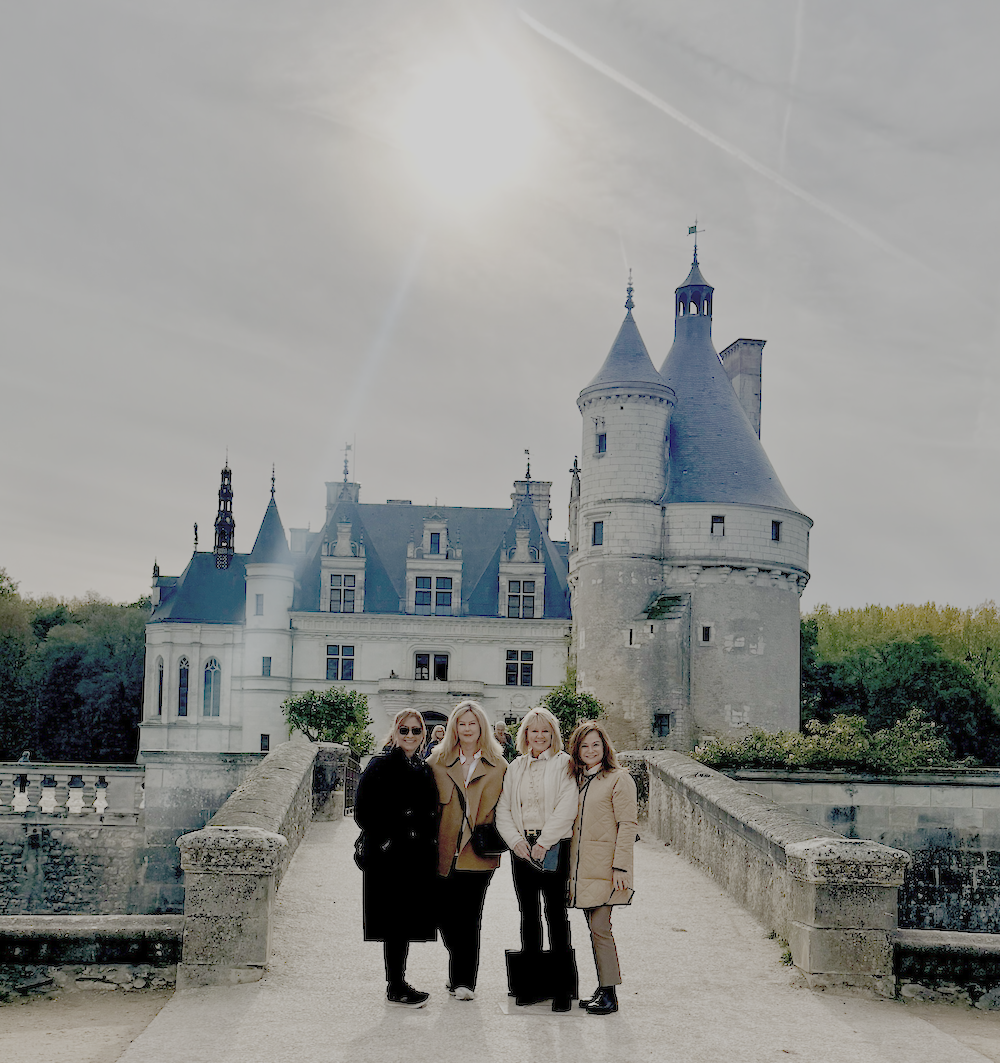
We also explored Château de Chenonceau, with its elegant gallery stretching across the River Cher, and spent time in Amboise, a lovely town with its own royal château and a connection to Leonardo da Vinci, who spent his final years nearby.
Seeing the Loire Valley by helicopter.

One of my favorite experiences was taking a helicopter flight over the Loire Valley.
From above, you can appreciate the enormous scale of the châteaux, their formal gardens, surrounding forests, and the rivers that helped shape the region’s history. It’s a terrific way to see several estates in a relatively short time, particularly when combined with private guided visits on the ground. The flight is weather-dependent, of course, so some flexibility is necessary.
Where you stay makes a difference.
During our visit, we experienced several very different luxury properties.
In addition to Fleur de Loire, we stayed at Les Hauts de Loire, a former hunting lodge surrounded by extensive grounds, and Château Louise de La Vallière, where the accommodations themselves are part of the historical experience.
Some travelers will prefer a hotel within walking distance of restaurants and shops. Others will appreciate the quiet of a countryside estate, where the gardens, dining, and atmosphere are part of the experience. Wine enthusiasts will also find plenty to enjoy. The Loire produces excellent Sauvignon Blanc, Chenin Blanc, Cabernet Franc, and sparkling wines, with opportunities to visit vineyards and meet local producers.
My recommendation: Allow at least three or four nights in the Loire Valley, longer if you’re particularly interested in wine, history, or culinary experiences. There’s simply too much here to squeeze into a day trip.
Paris: There’s much more to the city than the Eiffel Tower
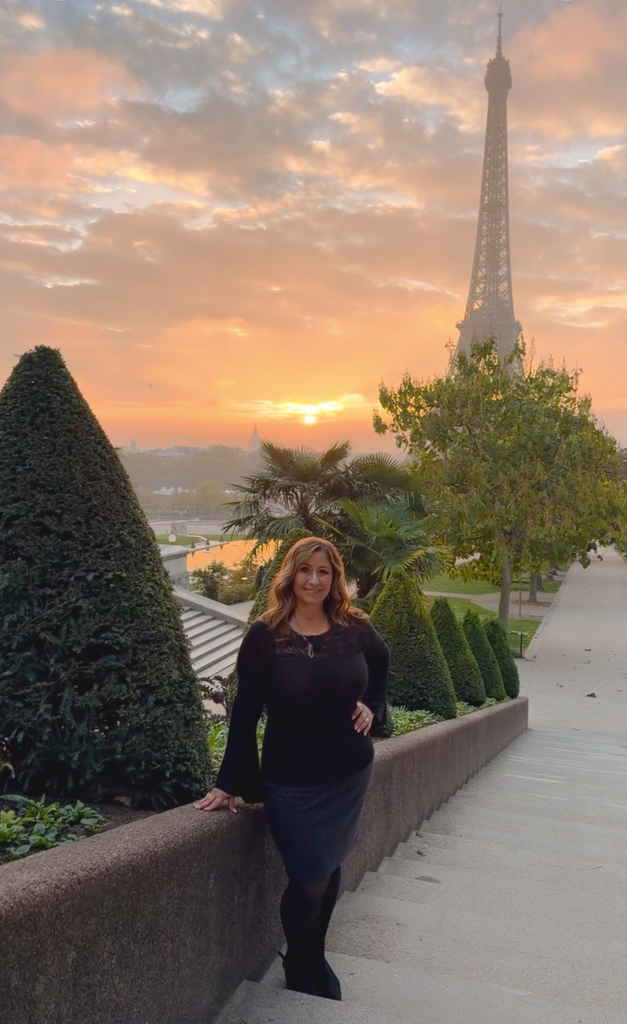
After the Loire Valley, I returned to Paris for the DUCO France Travel Summit, an invitation-only gathering of luxury travel advisors and French travel suppliers.
Over three and a half days, I had 42 meetings with nearly 80 French suppliers, including hoteliers, destination management companies, and experience providers. These face-to-face conversations are an important part of building the relationships that help me take good care of my clients.
Between meetings and events, I had the chance to explore Paris and stay at several luxury hotels, including The Peninsula Paris. One thing this visit reinforced is that choosing the right neighborhood can significantly shape how you experience the city.
Choosing the right Paris neighborhood.
Paris is divided into 20 arrondissements, each with its own personality. I have a few personal favorites.
Saint-Germain-des-Prés, in the 6th arrondissement, is one of my favorite areas for its cafés, restaurants, galleries, and walkable streets. It’s a wonderful neighborhood for settling into a café and watching Parisian life unfold.
The 16th arrondissement, particularly around Trocadéro and Avenue Kléber, is another favorite. It’s elegant, residential, and quieter than some of the busier neighborhoods. I stayed in this area during the conference and appreciated its convenient Métro connections. And being across the Seine from the Eiffel Tower certainly doesn’t hurt!
The 1st arrondissement, near the Louvre and Palais Royal, is ideal for travelers who want to be centrally located, with museums, gardens, shopping, and restaurants within easy reach.
Le Marais, primarily in the 3rd and 4th arrondissements, is an area I haven’t stayed in yet, but it’s worth considering if you enjoy a lively atmosphere, independent boutiques, galleries, and cafés.
My advice? Choose your Paris neighborhood based on how you like to spend your days, not just the hotel’s star rating or its proximity to the Eiffel Tower.
Seeing Paris by sidecar
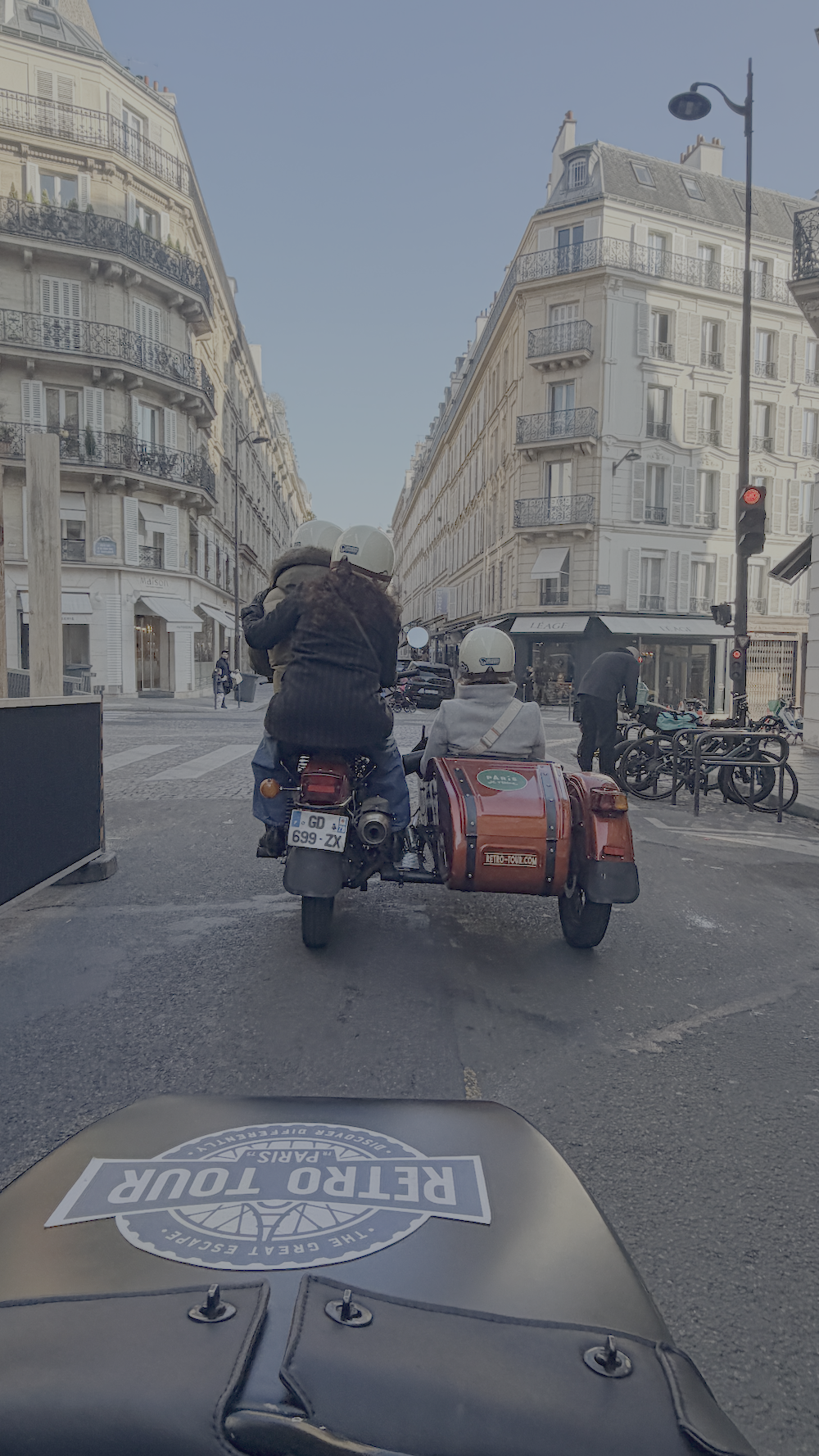
I’ve explored Paris on foot, by Métro, and by car, but this trip introduced me to something entirely different: riding in the sidecar of a vintage-style motorcycle.
What a fun experience!
Instead of watching the city through a car window, you’re right in the middle of Parisian street life. We traveled through the city and finished at the Arc de Triomphe, which is quite a sight from a motorcycle sidecar!
It’s an experience I’d recommend to anyone looking for a different perspective on Paris, particularly repeat visitors.
Paris is also an excellent base for day trips.
One of the advantages of staying in Paris is how many wonderful places you can visit without changing hotels.
Consider the Palace of Versailles for its royal apartments and gardens, or Château de Fontainebleau, another extraordinary royal residence with centuries of French history.
Wine lovers can spend a day in Champagne visiting cellars and tasting houses, perhaps combining the experience with a stop in Reims to see its magnificent cathedral.
Art enthusiasts can visit Claude Monet’s house and gardens in Giverny, where the gardens inspired some of his most famous paintings. Just remember that the gardens are seasonal, so timing matters.
These excursions work particularly well with a private driver and guide, allowing you to enjoy the experience without worrying about transportation logistics.
My recommendation: If you have a week in Paris, consider spending one or two days exploring beyond the city. You’ll experience more of France while enjoying the convenience of returning to the same hotel each evening.
Normandy: Coastal villages, remarkable food, and enduring history.
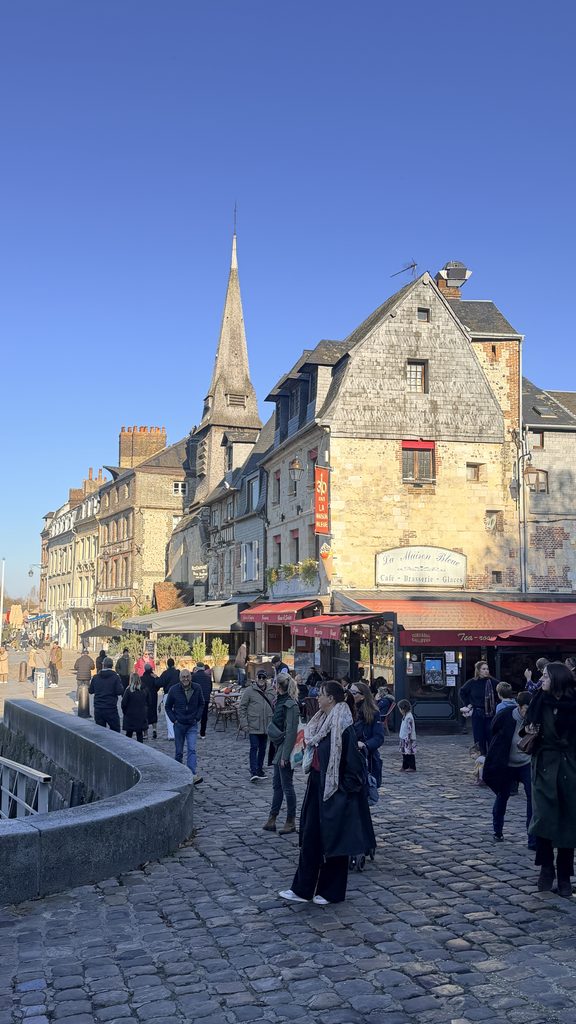
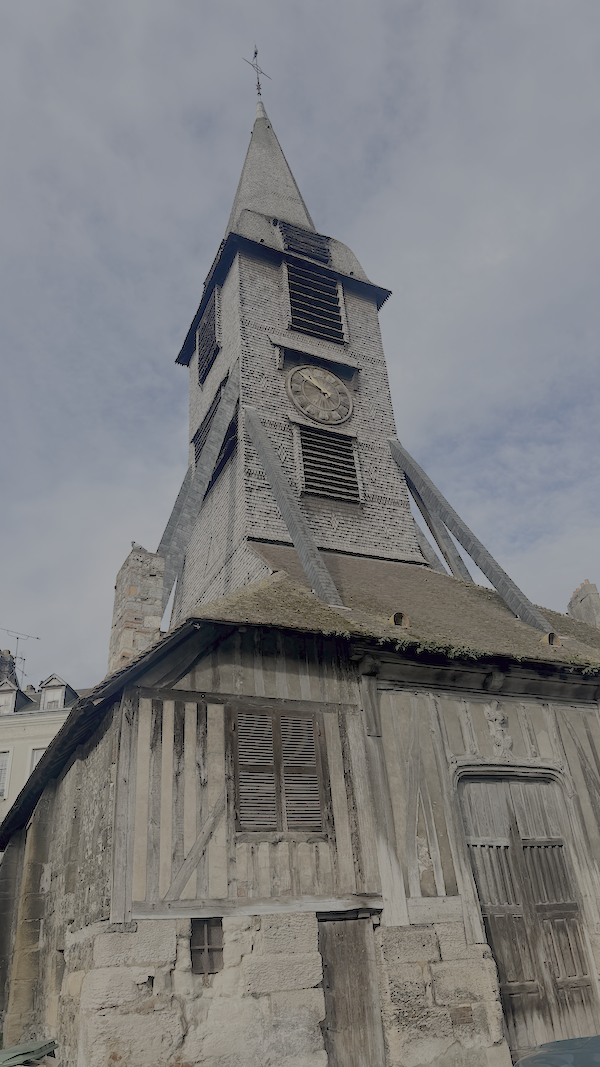
After Paris, I traveled north to Normandy, a region that surprised me in several ways.
Many Americans associate Normandy primarily with the D-Day landings of World War II. While those historic sites are among the most important reasons to visit, the region also offers beautiful fishing villages, historic towns, countryside estates, and a distinctive culinary culture.
Our first stop was Honfleur, a picturesque harbor town with narrow streets, half-timbered buildings, and fishing boats lining the waterfront.
We stayed at La Ferme Saint Siméon, a historic property associated with the Impressionist painters who came to this region for its remarkable coastal light.
During our time there, we explored Honfleur, visited boutique hotels, and even participated in a painting class, a fitting activity in a town with such strong artistic roots.
We later continued west toward Port-en-Bessin and Bayeux, where we stayed at Château La Chenevière.
Come to Normandy hungry, but know what to order
One of my favorite ways to understand a destination is through its food, and Normandy has a distinct culinary identity.
First, there are the apples.
You’ll find them in desserts, sauces, cider, and Calvados, the region’s famous apple brandy. If you’re familiar with Cognac, think of Calvados as its apple-based cousin. Both are French brandies, but Calvados is distilled from apple cider, sometimes with pears, rather than grape wine.
Then there’s Camembert, the soft, creamy cheese that originated in Normandy.
And let’s talk about butter.
Normandy is known for its rich dairy products, while neighboring Brittany is especially famous for its salted butter. Frankly, after tasting good French butter, it’s difficult to get excited about the ordinary stuff back home.
But here’s something that might surprise you.
If you’re craving a great steak, Normandy might not be the place to order it.
That’s not to say you can’t find one. Normandy raises excellent cattle, after all. But along the coast, seafood is the real attraction. Fresh fish, oysters, mussels, and particularly scallops are what you should look for on local menus.
Port-en-Bessin is an important fishing port, and scallops are a regional specialty, especially during the fishing season. I always encourage my clients to eat what a region does best rather than ordering the same familiar dishes everywhere they go.
In Normandy, that means seafood, local cheeses, apples, cider, and perhaps a little Calvados after dinner.
You won’t go hungry!
Visiting the D-Day beaches and American Cemetery on Veterans Day


One of the most meaningful experiences of my entire trip happened on November 11, Veterans Day.
I visited the Normandy American Cemetery overlooking Omaha Beach, along with Omaha and Utah beaches, where Allied forces landed on June 6, 1944.
I’ve studied World War II history and seen countless photographs and documentaries about D-Day. But standing there is something entirely different.
At the American Cemetery, row after row of white marble crosses and Stars of David mark the graves of more than 9,300 American service members who lost their lives during the war.
It’s difficult to describe the feeling of standing among those graves, looking toward the English Channel and thinking about the young men who arrived on these shores more than 80 years ago.
Many were barely adults. They came from towns all across America, and many never returned home.
Visiting on Veterans Day made the experience especially poignant.
As I walked through the cemetery and along the beaches, I couldn’t help thinking about the extraordinary sacrifices made here and how different our world might be without them.
It’s one thing to read about history. It’s another to stand where it happened.
For American travelers, particularly those interested in World War II or with family connections to military service, I consider this one of the most important experiences in France.
Why you should give Normandy at least five nights
Some travelers try to visit the D-Day beaches on a day trip from Paris. While technically possible, I wouldn’t recommend it if you truly want to understand what happened here.
The landing beaches stretch across a considerable distance, with numerous museums, memorials, bunkers, and historic sites worth visiting.
I recommend spending at least two nights near Bayeux to allow time to explore the D-Day sites with a knowledgeable private guide. Understanding the military strategy and personal stories behind the landings adds so much to the experience.
For a more comprehensive visit to Normandy, I’d recommend a minimum of five nights, with six or seven being even better.
Beyond the D-Day sites, there are several places worth including in your itinerary.
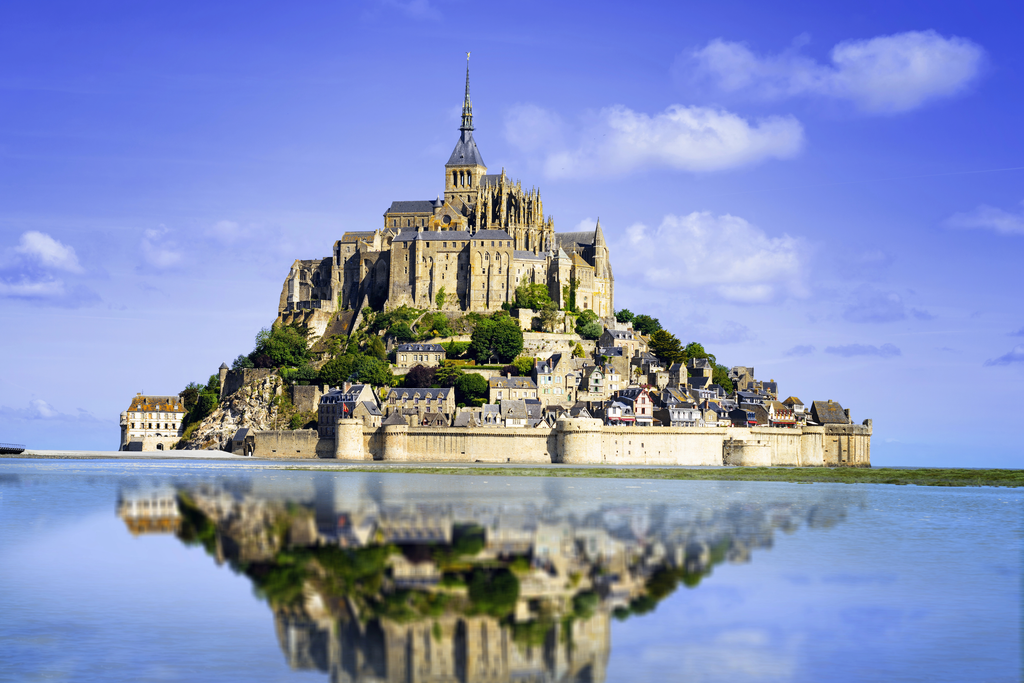
Mont-Saint-Michel is a medieval abbey rising above a tidal bay. Its dramatic setting makes it one of France’s most extraordinary historic sites, although timing your visit carefully helps avoid the largest crowds.
Saint-Malo, just across the regional border in Brittany, is a historic walled port city known for its stone ramparts, maritime heritage, and excellent seafood.
Bayeux deserves time beyond its role as a base for visiting the D-Day beaches. Its medieval cathedral and the famous Bayeux Tapestry, which depicts the Norman conquest of England, are significant attractions. Be sure to check the tapestry’s exhibition arrangements, as museum renovations affect access.
Honfleur is worth lingering in for its harbor, galleries, restaurants, and maritime atmosphere.
I’d also make room for smaller villages, local markets, and perhaps a visit to a Calvados producer.
One thing I learned is that Normandy and neighboring Brittany take longer than you might expect. Distances on a map can be deceiving, and trying to cover too much ground will leave you spending more time in the car than enjoying the places you’ve come to see.
My recommendation: Divide your stay between the D-Day area and another part of Normandy, with an excursion into Brittany if time permits. A thoughtfully planned route will make the experience far more enjoyable.
Why I design these trips.
One of the reasons I invest so much time in traveling to destinations, inspecting hotels, and meeting with local partners is that there are things you simply cannot learn from a website or brochure.
A hotel’s photographs won’t tell you how attentive the service is or whether the surrounding neighborhood suits your travel style. A map won’t tell you whether a route makes sense or how much time you’ll actually need between stops.
And an excursion description won’t tell you whether the experience is worth including in your itinerary.
During this trip, I experienced very different hotels in the Loire Valley, explored several Paris neighborhoods, and gained a much better understanding of how to plan a visit to Normandy.
Just as importantly, I strengthened relationships with French travel partners who can help when plans change, special arrangements are needed, or unexpected circumstances arise.
That’s part of what goes on behind the scenes when we design and manage our clients’ trips.
Three regions, three very different experiences
So, which part of France should you visit?
If you love French history, châteaux, wine, and leisurely afternoons in the countryside, I’d recommend the Loire Valley.
If you’re drawn to museums, fashion, architecture, exceptional restaurants, and the energy of a major European city, Paris is an obvious choice, especially with so many excellent day trips nearby.
And if military history, coastal villages, seafood, and a slower pace appeal to you, Normandy deserves a place on your itinerary.
Better yet, if you have approximately two weeks, consider combining all three.
You’ll experience three distinct sides of France, each offering something different, without feeling as though you’re racing from one attraction to the next.
Some of my favorite memories from this trip were seeing centuries-old châteaux from a helicopter, riding through Paris in a motorcycle sidecar, and standing solemnly among the white crosses at the American Cemetery.
Those experiences reminded me that a thoughtfully designed trip is more about spending your time in ways that are meaningful to you than checking famous attractions off a list. It’s about spending your time in ways that are meaningful to you.
Thinking about a trip to France? At Premiere Luxury Travel, we design personalized itineraries around your interests, travel style, and the experiences that matter most to you. Whether you’re planning your first visit or returning to explore somewhere new, we’d love to help.
About Us
Our bespoke itineraries are uniquely designed to completely immerse you in your destination, with delightfully unexpected surprises along the way.
We have a special passion for all things culinary—and we would love to introduce you to your destination’s distinct (and delicious!) food and wine traditions through one-of-a-kind culinary experiences. The best part? You won’t have to do a thing except relax, recharge, and create memories that last a lifetime!
LEARN MORE