
Rwanda and Uganda: Two African Countries That Deserve a Place on Your Travel List


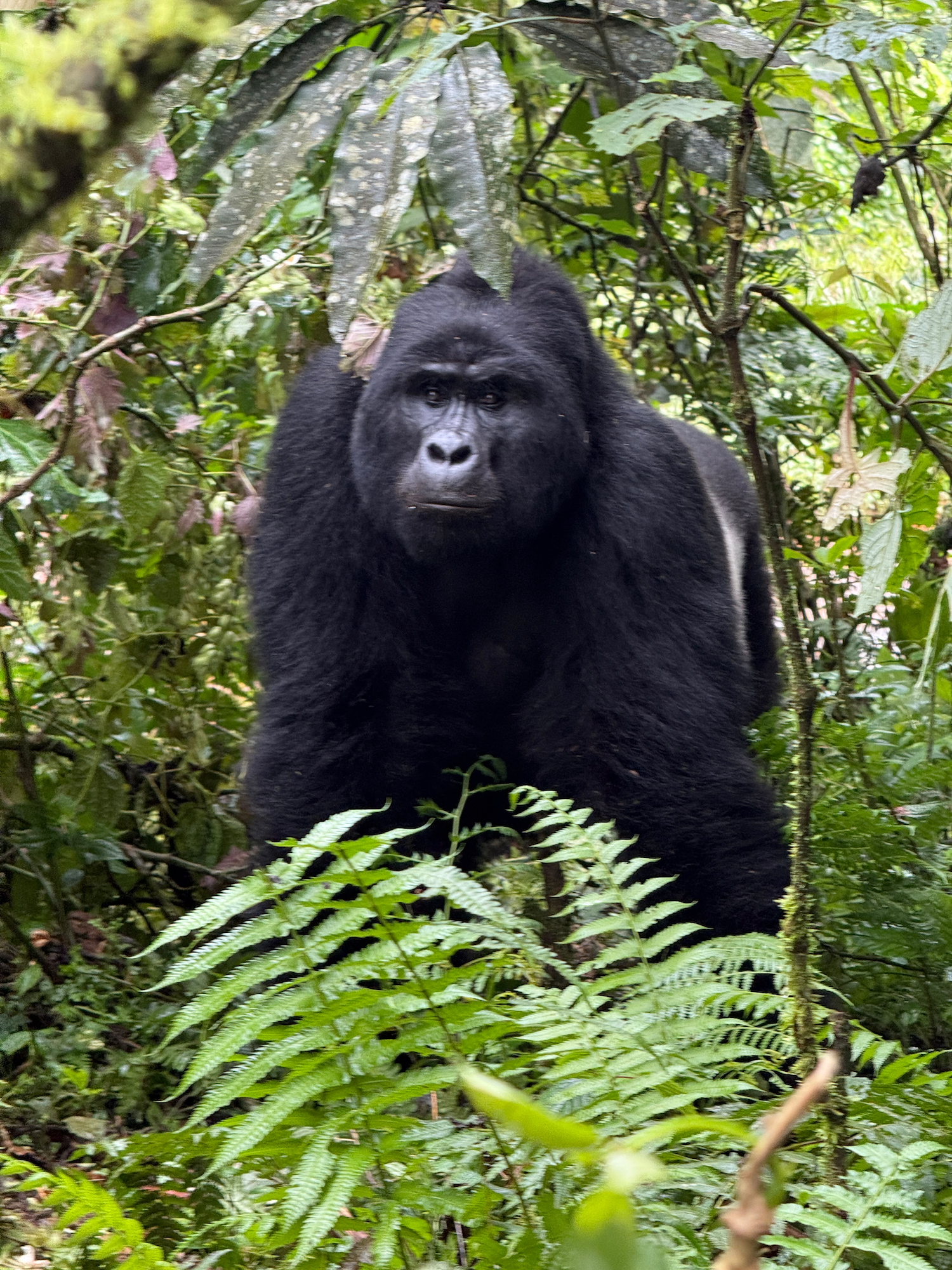
You hear a mountain gorilla before you see it. A branch cracks. Leaves shake. Then a low grunt rolls through the green, and your ranger raises one hand. Stop. Breathe. They’re here.
Ask someone where they’d like to go on an African safari, and you’ll probably hear Kenya, Tanzania, or South Africa, but Rwanda and Uganda rarely top the list, especially for first-timers.
Having just returned from both countries, I think it’s time to change that.
I traveled to East Africa to experience something I’d wanted to do for years: trek through the rainforest to see mountain gorillas in their natural habitat. While that experience was every bit as extraordinary as I’d hoped, I came home with a greater appreciation for everything else these countries offer: the people, the conservation work, the hospitality, and the safaris that deserve far more attention.
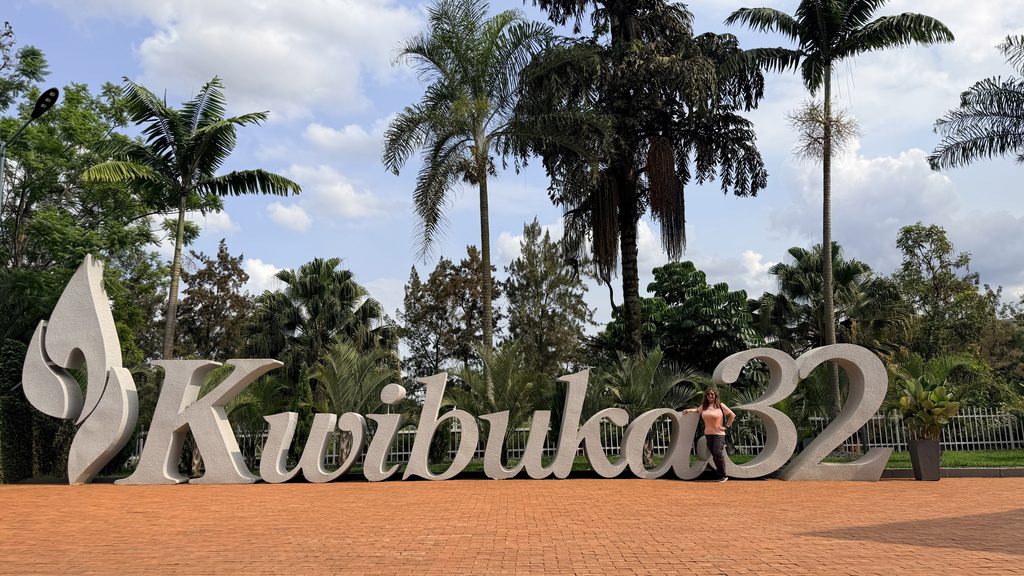
Kigali: More Than a Starting Point
My journey began in Kigali, Rwanda’s capital, where I arrived a few days early to explore with a local guide. We walked nearly six miles through this remarkably clean, orderly city, learning about its history, neighborhoods, and everyday life.
A visit to the Kigali Genocide Memorial is essential to understanding Rwanda’s past and its remarkable recovery from the 1994 genocide. It’s a sobering experience, but one I wouldn’t skip.
Kigali also has a growing culinary scene. Our group enjoyed a welcome dinner at Fusion, the farm-to-table restaurant at The Retreat, where they incorporate local ingredients into contemporary African cuisine.
From Kigali, we headed north toward Volcanoes National Park, passing terraced hillsides, farms, and villages along the way. One thing immediately impressed me: Rwanda’s excellent roads. That might not sound particularly exciting, but when you’re spending hours traveling between destinations, comfortable transportation is essential!
Golden Monkeys, Conservation, and Community
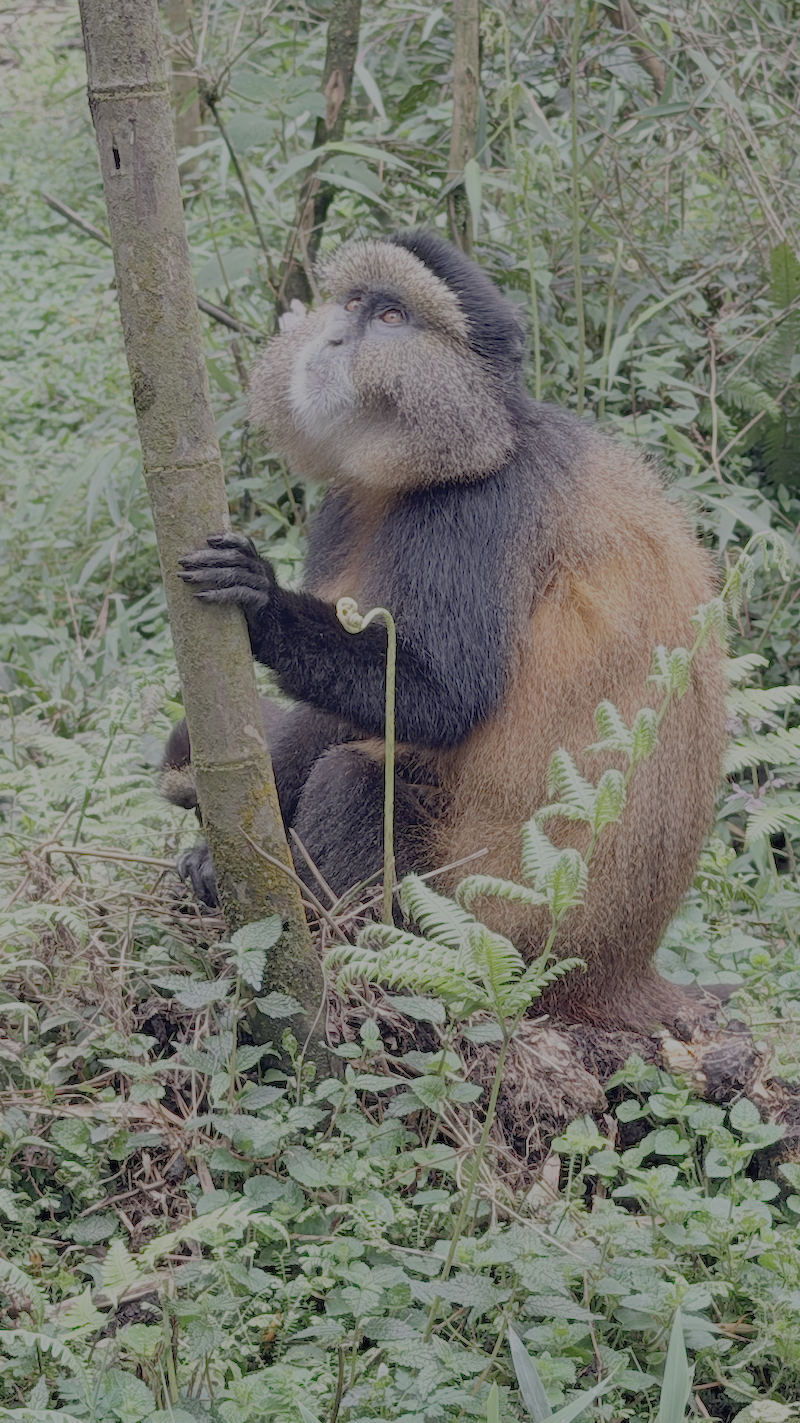
Volcanoes National Park is famous for mountain gorillas, but they’re not the only primates worth seeing.
After a briefing at park headquarters, we followed our rangers into the bamboo on the lower slopes of the Virunga volcanoes.
Golden monkeys are rare, quick, and full of mischief. Their fur glows orange-gold against the green. They leap from stalk to stalk and rarely sit still for long!
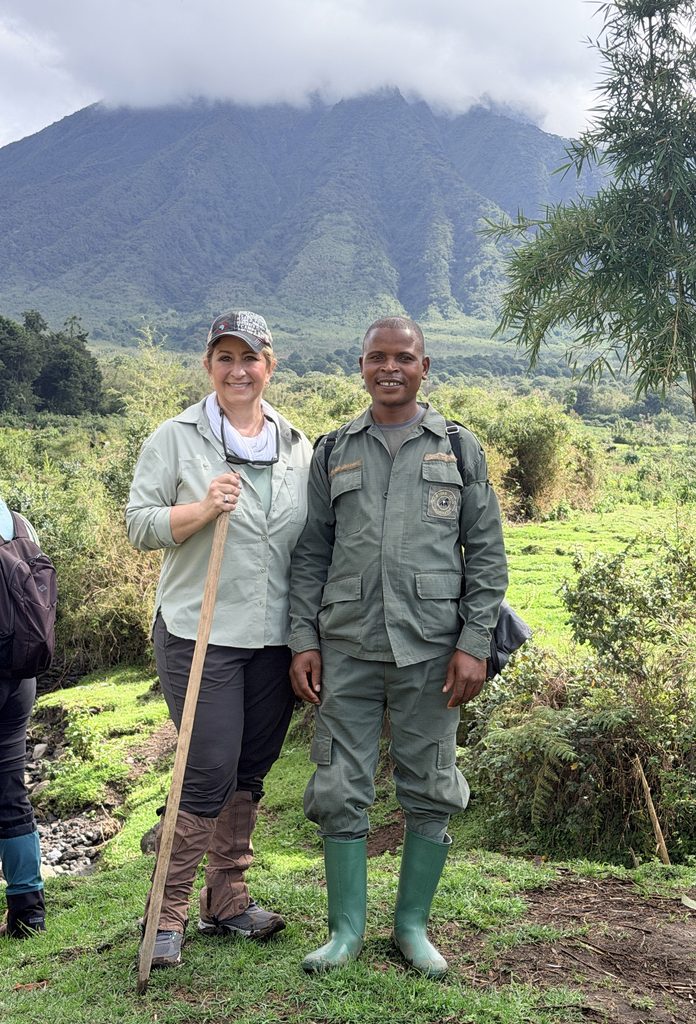
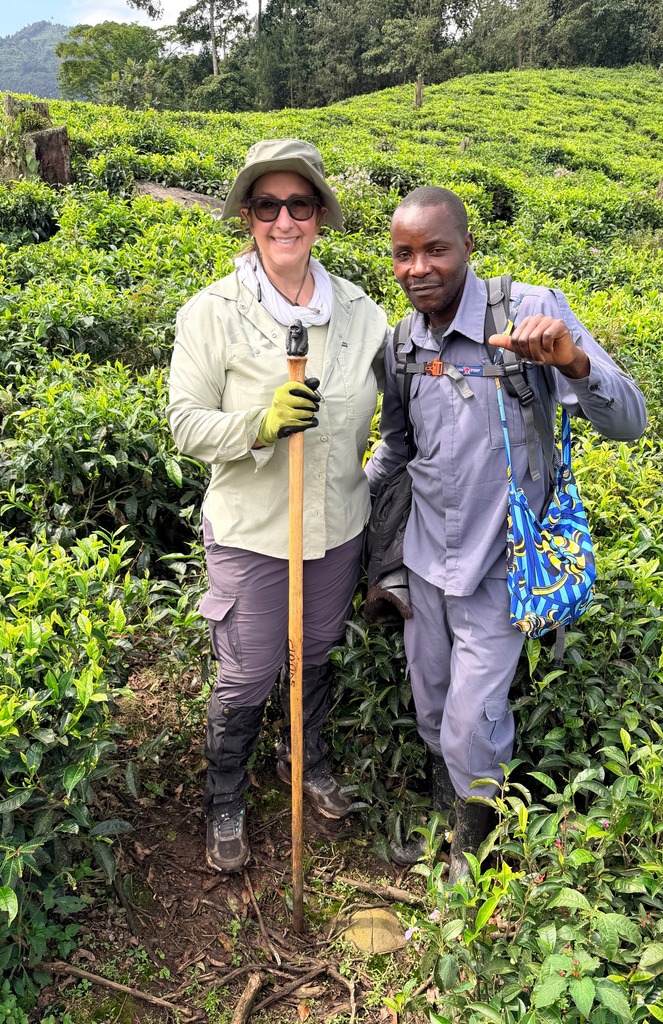
My porter, James, carried my backpack and guided me over slippery rocks, muddy trails, and creek crossings. He saved me from more than a few falls. Even if you think you won’t need a porter, hire one. The help is well worth the modest fee, and the money goes straight to a local family.
We also visited the Ellen DeGeneres Campus of the Dian Fossey Gorilla Fund. Mountain gorillas came close to disappearing. Today their numbers are climbing, and places like this are a big reason why.
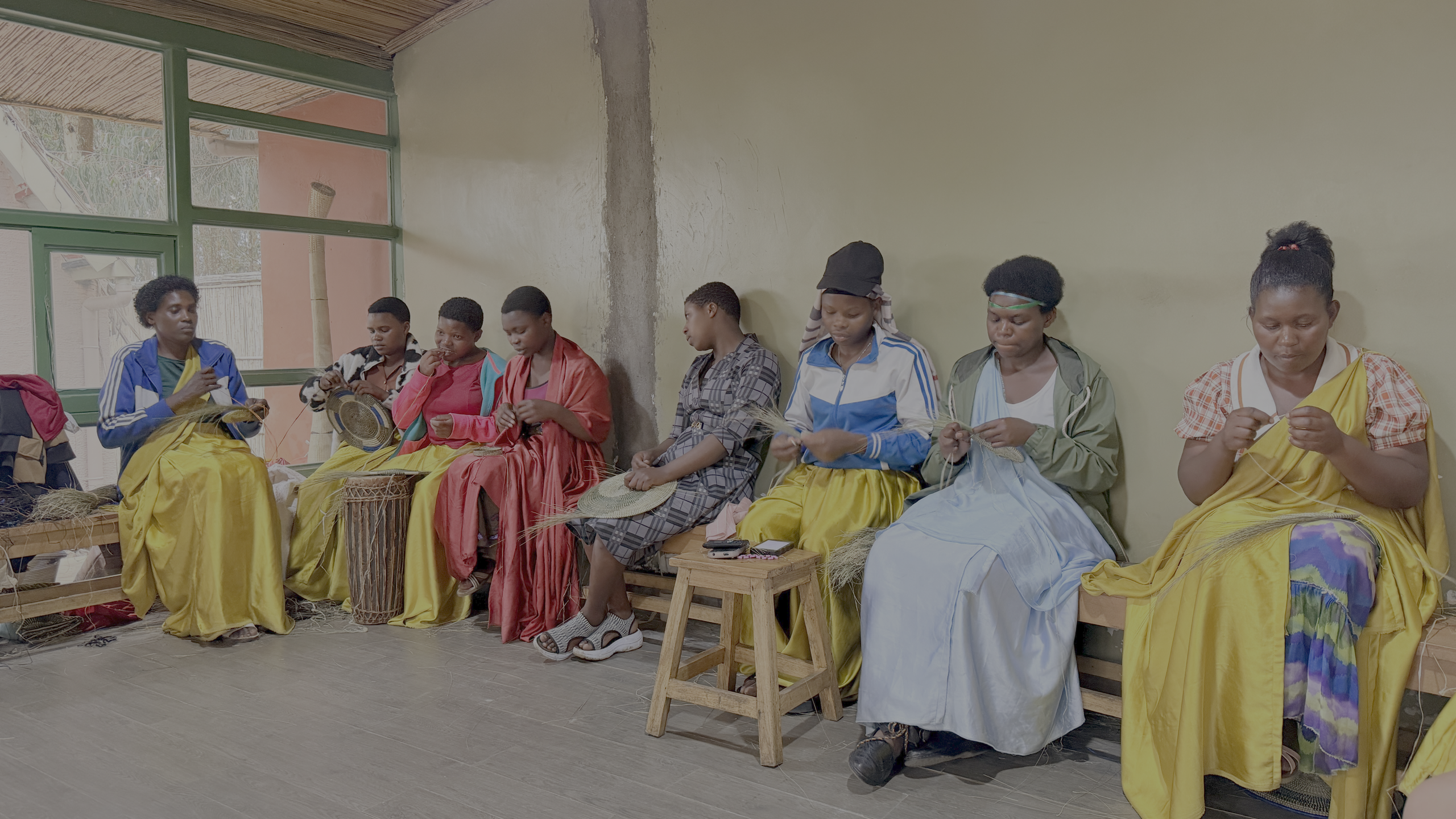
Across the road, we stopped at Kinigi Women’s Village. This program helps local women learn traditional crafts, run a business, and earn their own income. They showed us their beadwork and basket weaving, then sang and danced for us. Most of what you spend in the shop goes directly to the artisan who made the piece. You leave with more than a souvenir.
Into Uganda: Rough Roads, Warm Welcome
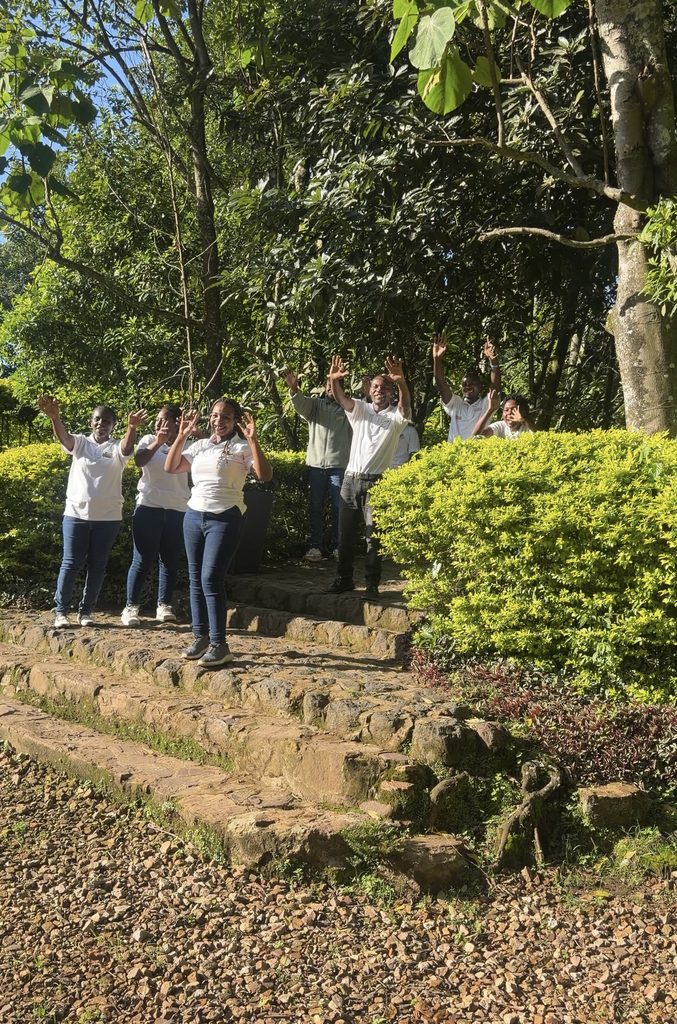

After our golden monkey trek, we crossed into Uganda and continued toward Bwindi Impenetrable National Park.
And that’s where the roads changed considerably! There’s no point sugarcoating it: many of Uganda’s roads are rough, unpaved, and slow. Trips take longer than the map suggests. That’s exactly why an experienced driver-guide and a well-paced itinerary make all the difference here.
While Rwanda’s main highways are generally smooth and well-maintained, many roads approaching Uganda’s gorilla trekking regions are rough, unpaved, and slow-going. The scenery is beautiful, but distances on a map don’t tell the whole story.
Our destination was Clouds Mountain Gorilla Lodge, perched high above the forest near Bwindi’s Nkuringo sector. What a wonderful property! The accommodations were spacious and comfortable, the food was excellent, and the hospitality was outstanding. Rather than feeling like guests at a formal luxury resort, we felt as though we were visiting someone’s beautiful mountain home.
One Hour With Mountain Gorillas
The following morning, we headed into Bwindi for the experience I’d been anticipating for years.
Before our briefing, young girls participating in a local tourism training program welcomed us with traditional singing and dancing. It was a beautiful introduction to Ugandan culture.
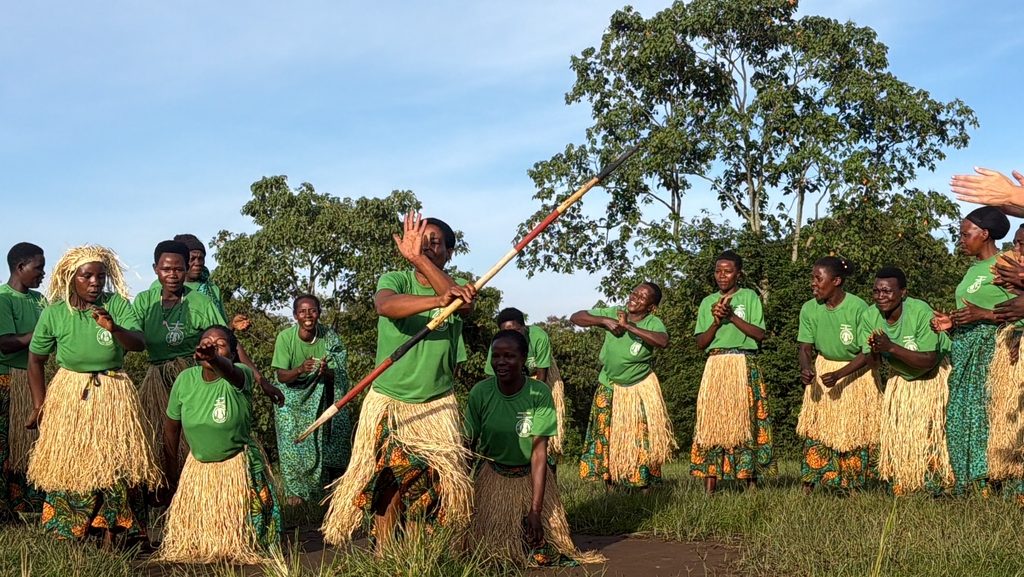
Then came the trek itself. Bwindi earns its name. The forest is dense, ancient, steep, and tangled with vines, roots, and ferns. Our experienced trackers guided us through the rainforest while my porter, Charles, helped me negotiate the more difficult sections.
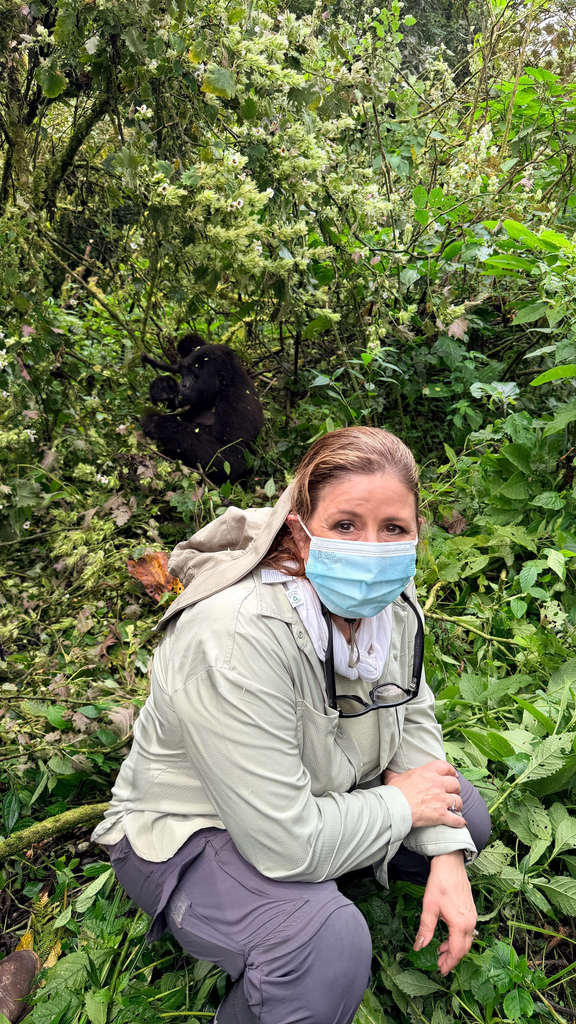
Only eight visitors are permitted to visit a particular gorilla family each day. Once the trackers locate the family, you have one hour to observe them.
One hour might not sound like much, considering the effort involved in reaching them. It could take an hour, or 3 hours, to find them. There are no guarantees, but they do their best to find them and point us in the right direction.
The gorillas aren’t performing. They’re living their lives: feeding, resting, grooming, and caring for their young. You are a guest in their home. Observing these magnificent creatures that share 98.5% of our DNA with (which is why we wear masks – to prevent transmitting disease to them) in their natural habitat is an experience I’ll never forget!
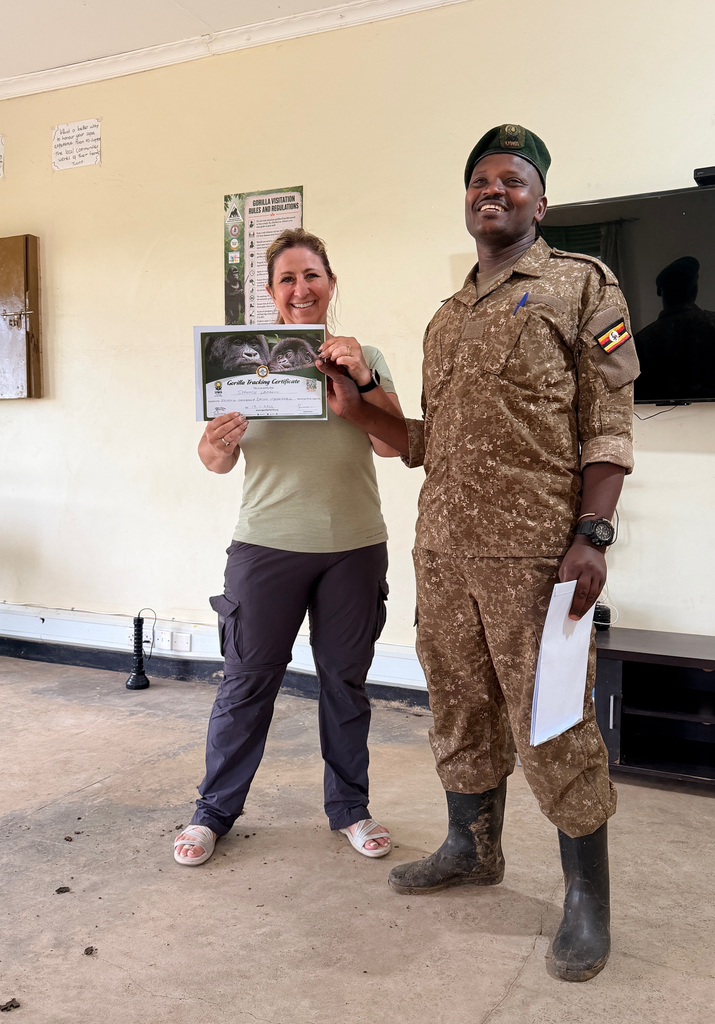
And yes, you come out of the forest with a gorilla trekking “graduation” certificate to prove you made it.
Rwanda or Uganda: Where Should You Trek?
One of the most important decisions when planning a gorilla trekking trip is choosing between Rwanda and Uganda. Both offer extraordinary wildlife encounters, but the differences come down to cost, access, and style.
Both countries give you the same hour with a habituated family. The differences come down to cost, access, and style.
Permits. As of November 2026, a gorilla permit costs $1,500 per person in Rwanda and $800 per person in Uganda for international visitors. For a couple, that’s a $1,400 difference before you book a single night.
Access. Volcanoes is about three hours from Kigali on excellent roads. Uganda’s gorilla areas are more remote, and the drives are longer and bumpier.
Lodges. Rwanda has drawn some of the finest names in hospitality, including Wilderness Bisate Reserve, One&Only Gorilla’s Nest, and Singita Kwitonda Lodge. Uganda offers a wider range, from comfortable four-star lodges to intimate luxury properties like Clouds.
Choice. Uganda has more habituated gorilla families, so more permits are available each day.
The full picture. Based on my recent conversations with our partners on the ground, the top Rwanda lodges run $7,000 to $12,000 per night for two. A four- or five-night ultra-luxury gorilla journey for a couple, with lodging, private guiding, transportation, and permits, can reach $60,000 or more. A comparable private trip in Uganda, with excellent lodges, typically runs $18,000 to $25,000 per couple.
Rwanda’s higher prices are by design. The country chose high-value, low-volume tourism, and 10% of park tourism revenue goes back to nearby communities. The approach is working. Gorilla numbers have grown so much that Rwanda plans to expand Volcanoes National Park, which could bring protected habitat right up to Bisate’s doorstep.
Short on time and want the easiest access and the top tier of luxury? Rwanda. More time, and want to add chimps or a classic safari? Uganda. Or do what I did, and visit both.
There’s Much More to See
Gorillas get the headlines, but either country could fill another week. Here’s some more intel to help you decide which is right for you:

In Rwanda:
- Akagera National Park: Rwanda’s only Big Five park, and one of Africa’s best comeback stories. Lions and rhinos returned after years away. Take a boat on Lake Ihema for hippos and crocodiles, then head north for lions, elephants, giraffes, and rhinos.
- Nyungwe National Park: An ancient mountain rainforest with chimpanzee tracking in small groups, huge troops of colobus monkeys, and a canopy walk strung high above the treetops.
In Uganda:
- Kibale National Park: Uganda’s chimpanzee capital, with a dozen other primate species.
- Mgahinga Gorilla National Park: Golden monkeys and gorillas on Uganda’s side of the Virunga volcanoes.
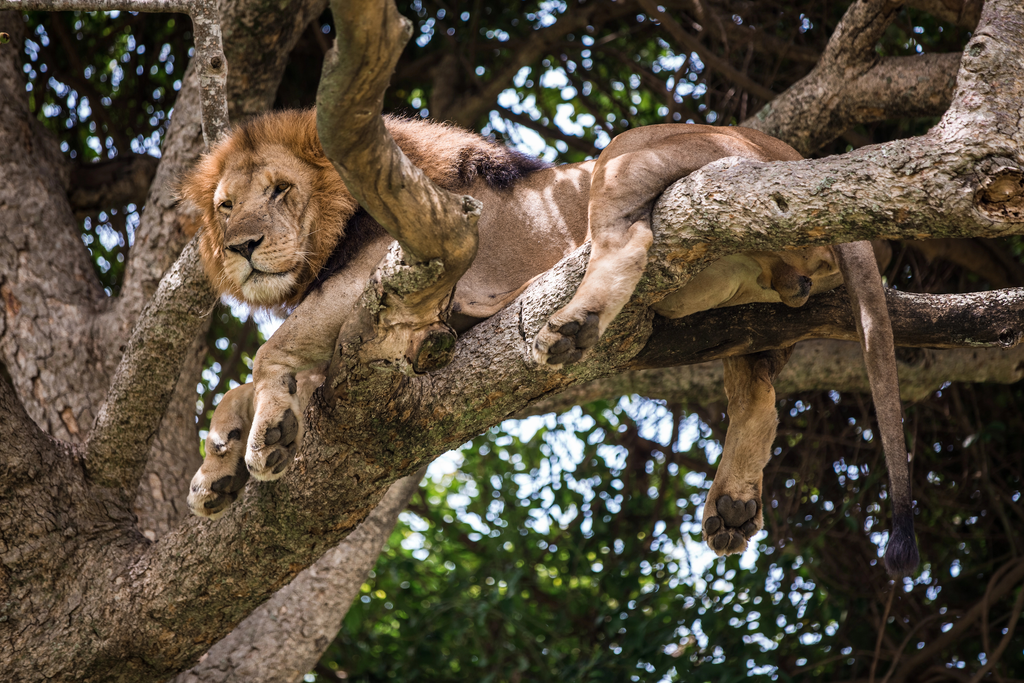
- Queen Elizabeth National Park: Savannah game drives, tree-climbing lions in the Ishasha sector, and boat safaris on the Kazinga Channel past hippos, buffalo, and elephants.
- Murchison Falls National Park: The Nile squeezes through a gap about 23 feet wide and crashes down with a roar you feel in your chest.
- Ziwa Rhino Sanctuary: Track white rhinos on foot with rangers. No vehicle. No windshield. Just you, the grass, and a rhino the size of a small car.
- Mabamba Swamp: Glide through papyrus by canoe in search of the prehistoric-looking shoebill. (I’m obsessed!)
Is East Africa Right for You?
Rwanda and Uganda aren’t places to rush. A journey of ten to fourteen days lets you pair gorillas with chimps, add a true safari, and still have time to enjoy your lodges. A few things every traveler should know:
- Permits sell out. They’re limited and can’t be held without payment. For peak dates, plan six to twelve months ahead.
- Fitness matters, but you don’t need to be an athlete. Prepare your fitness by walking hills at home before you go, and always hire a porter when you get there.
- Conditions change. Travel advisories for this region can move quickly. Before I book any Uganda trip, I check the latest U.S. State Department guidance and talk with my partners on the ground. If the timing isn’t right, I’ll tell you plainly.
Worth a Much Closer Look
I’ve ridden these roads, slept in these lodges, and trekked these trails, so I know how to put the pieces together.
Rwanda and Uganda may not be the first countries that come to mind for an African adventure. But after this trip, I believe they should be closer to the top of your list!
If an East African journey has been on your travel bucket list, I’d love to help you design one through Rwanda and Uganda.
About Us
Our bespoke itineraries are uniquely designed to completely immerse you in your destination, with delightfully unexpected surprises along the way.
We have a special passion for all things culinary—and we would love to introduce you to your destination’s distinct (and delicious!) food and wine traditions through one-of-a-kind culinary experiences. The best part? You won’t have to do a thing except relax, recharge, and create memories that last a lifetime!
LEARN MORE